

Beginner’s Guide: 10 free ways to reduce your exposure to toxins
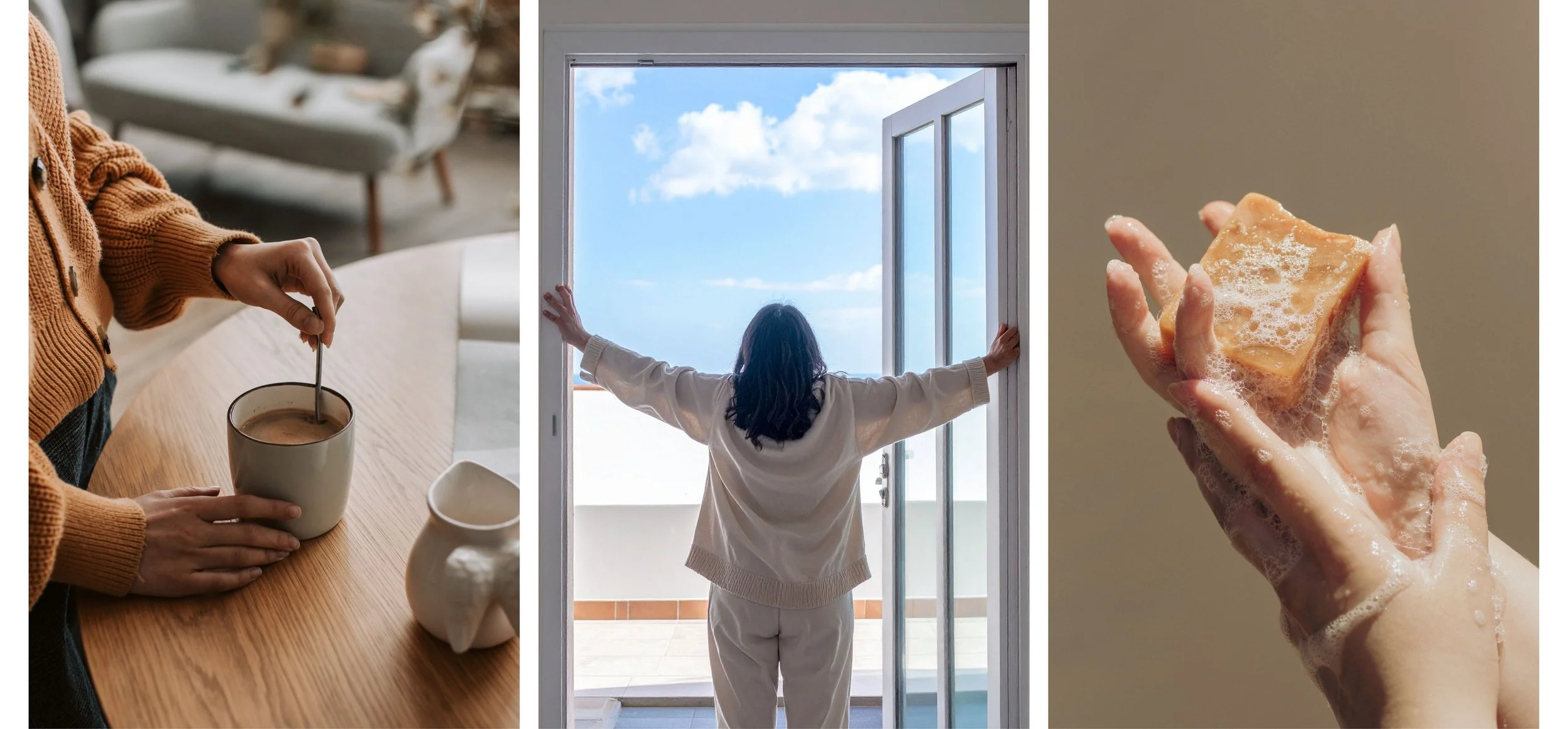
Healthy habits are one of the simplest upgrades you can make. If you’re trying to live a little more low-tox, you can start with these easy, low-effort habits we use at home to keep everyday life a little healthier.
01. Order hot drinks in a mug instead of a paper cup when possible.
Many paper cups are lined with a thin plastic lining, which can break down when exposed to heat. Even BPA-free paper cups may have other materials that haven’t been studied as much. Asking for a ceramic mug when you can is a simple swap that can add up over time.
02. Air out your house every once in a while.
Open your windows this week to let the stale air out and the outdoor fresh air in. Indoor air can sometimes collect allergens, dust, moisture and compounds from everyday activities like cooking, appliances, pets, furniture.
03. Wash your hands with soap and water instead of using hand sanitizer.
Some hand sanitizers have chemicals that aren’t great for frequent use. If you’re near a bathroom when you’re out in public, try washing your hands instead of reaching for hand sanitizer. We’ll share some hand sanitizer swaps in another post for those times when hand washing with soap isn’t an option.
04. Use one less product this week.
Skipping or reducing how often you use one product is an easy way to make a small difference over time. You could try skipping candles or air fresheners for a few days.
05. Dust with a damp cloth to limit how many particles you breathe in.
Using a damp cloth traps the dust and keeps it from floating into the air. This helps keep your space feeling fresh and reduces your exposure to breathing in those tiny particles that linger in dust.
06. Use a low-heat or air dry option when drying everyday clothing.
Some synthetic fabrics can soften or melt when exposed to high heat, releasing small particles into the air we breathe. Choosing a gentler drying option and opening a window when the dryer is running can help keep your air cleaner, your clothes fresher and is an easy way to reduce exposure over time.
07. Skip the receipt while shopping or opt for an e-receipt when you can.
Paper receipts are coated with chemicals, like bisphenols and while some stores are moving away from them, most large retailers still use them. If you do take the paper receipt, washing your hands thoroughly afterwards is a simple way to reduce exposure.
08. Cover your nose and mouth briefly if passing through fumes.
Fumes can carry tiny particles and covering your nose and mouth filters how much reaches your lungs. Even a quick cover can shield you from some of the particles.
09. When the weather is hot, be mindful of the items you leave in your car.
Items like reusable water bottles, packaged snacks, makeup, or gum can overheat in a car, which may cause materials in the packaging to break down.
10. Use paper towels with water and soap or vinegar instead of scented wipes for everyday messes.
This is an easy way to handle most spills without scented wipes or harsh cleaning products. Save the stronger stuff for tougher spots that are harder to clean.
Already cleaning with soap and vinegar? The Kitchen Series highlights low-tox cleaning products that are great for those stubborn messes.
